October 26, 2026
1 min read
How to Write a Capture Rubric Your Contributors Won't Misread
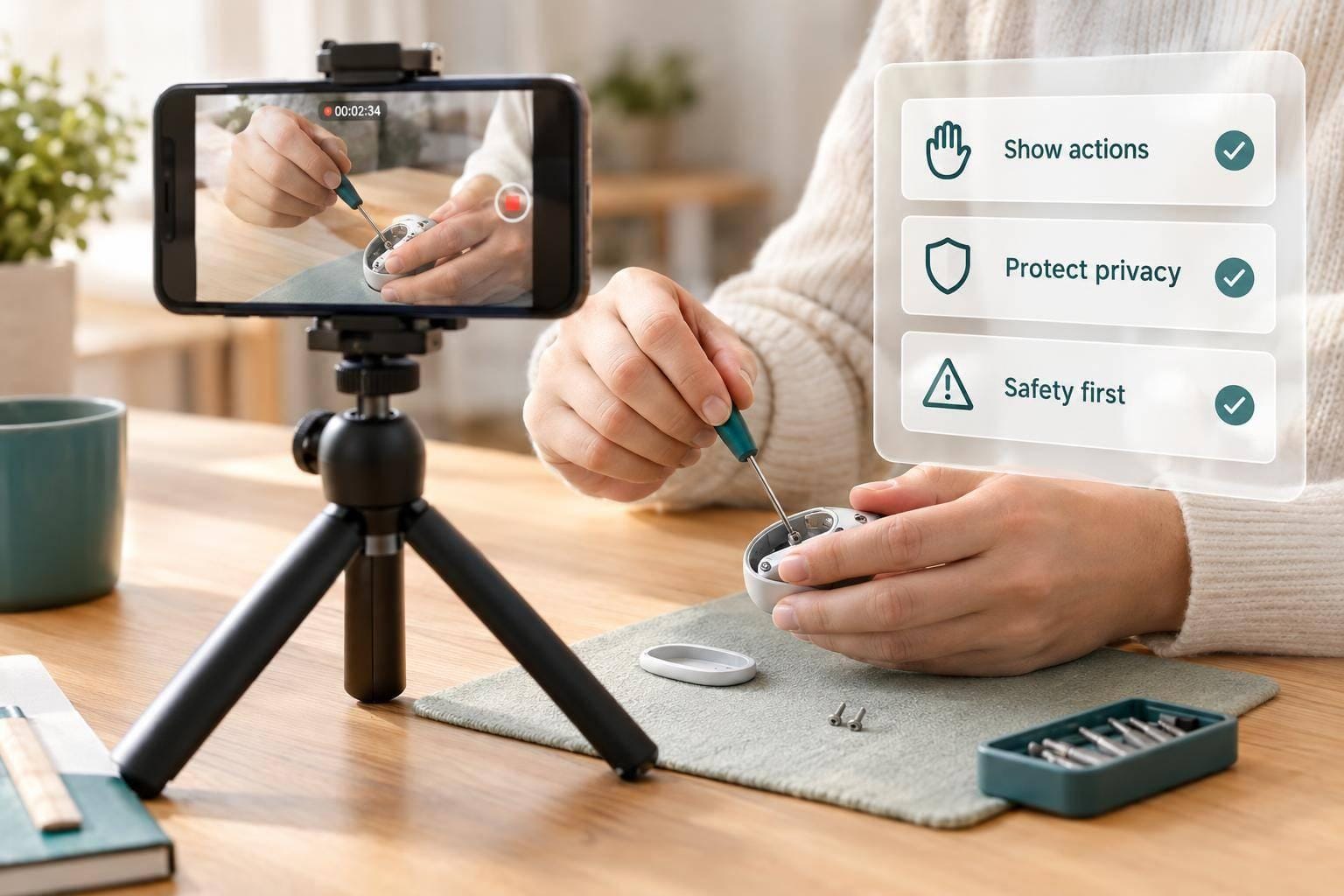
A capture rubric must require visible task actions and prioritize privacy and safety, not just sharp video.
Read Article
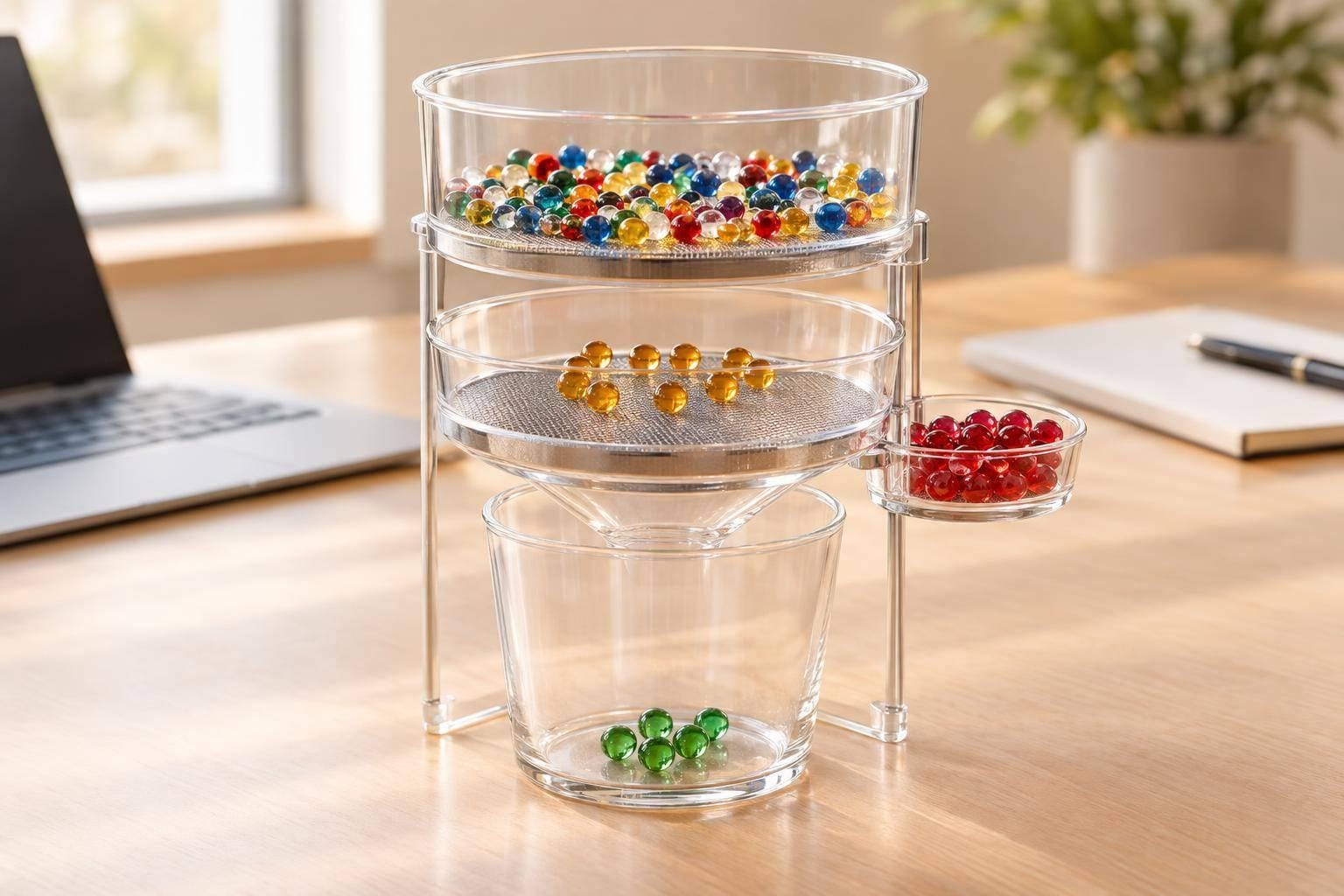
Calculate true training-data cost per accepted sample by accounting for rejection rates, rework, QA, and recollection.
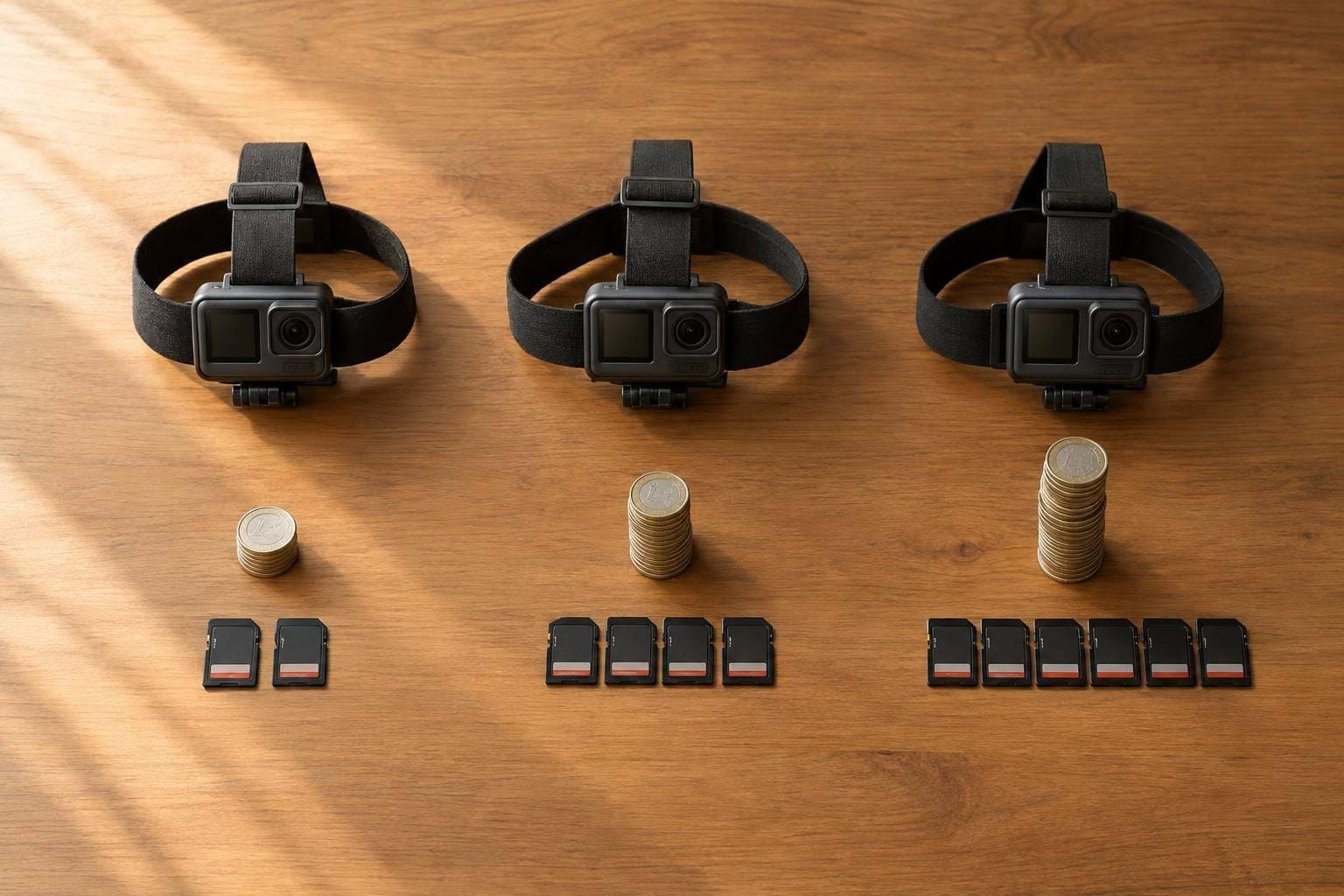
Budget and planning guidance to collect 1,000 accepted egocentric video hours across three collection models.
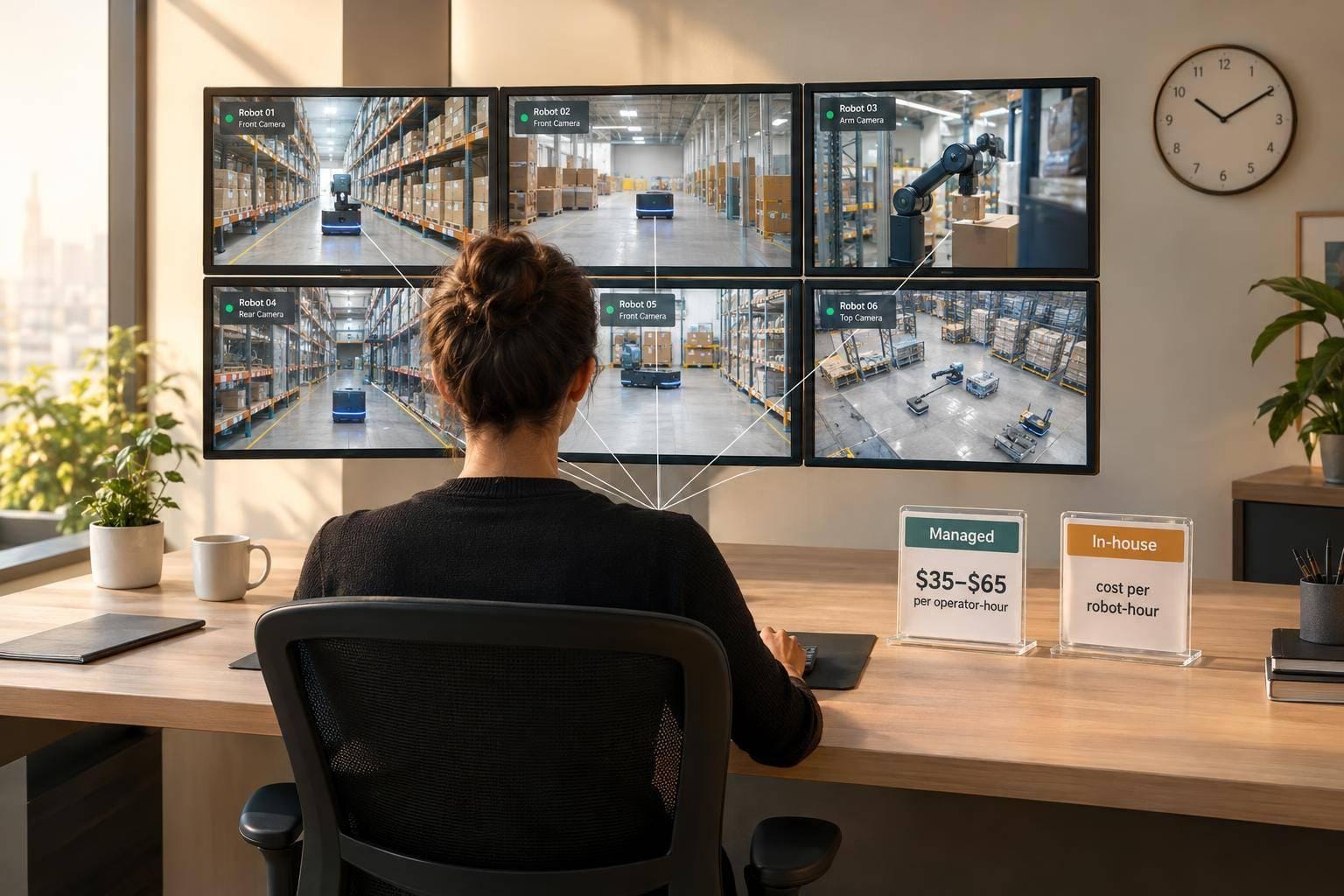
Estimate robot teleoperation at $35–$65 per staffed operator-hour; convert to cost per supported robot-hour and compare managed vs in‑house.
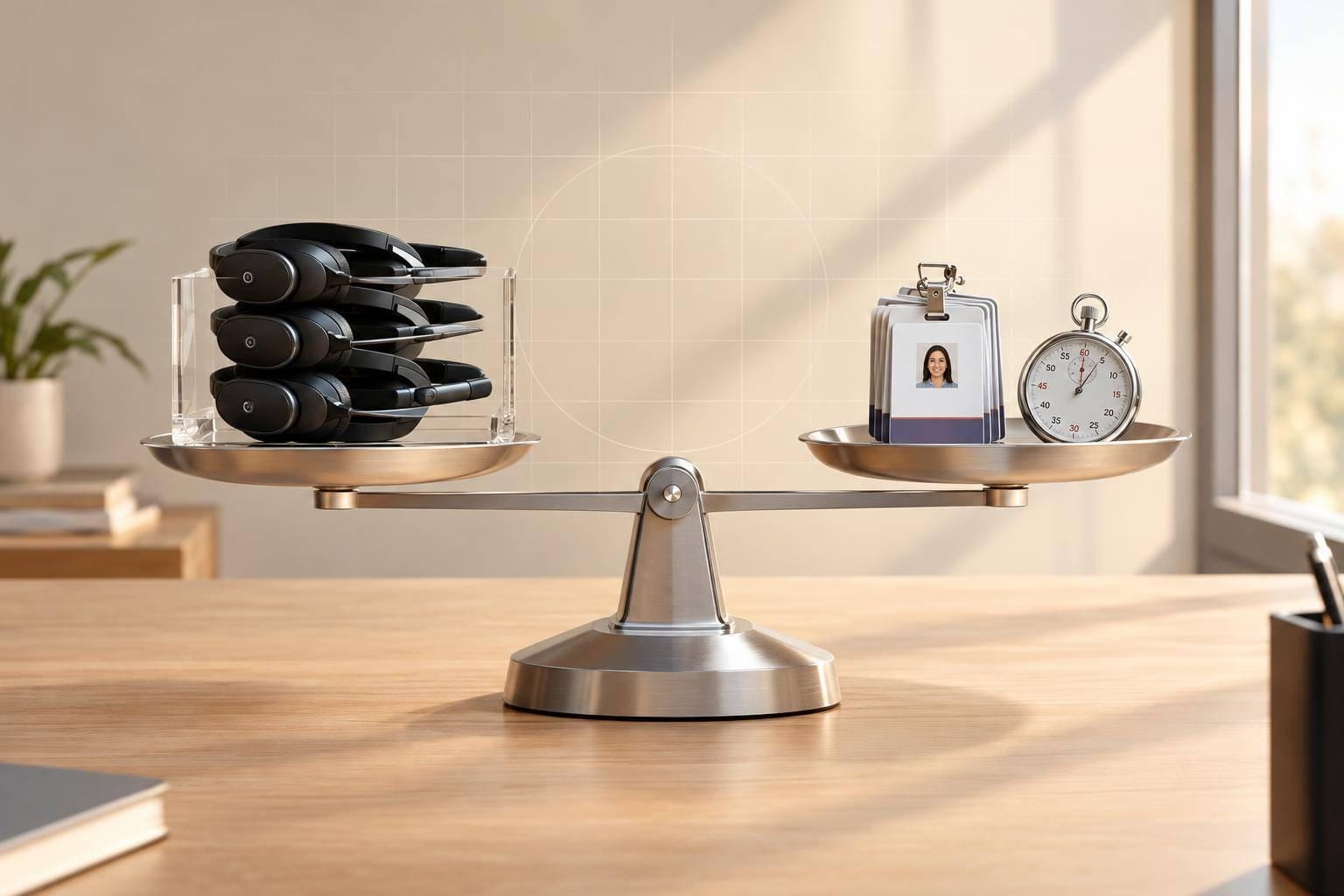
Coverage-adjusted math to choose managed teleop or in-house operators—compare monthly totals, break-even workload, and staffing floors.
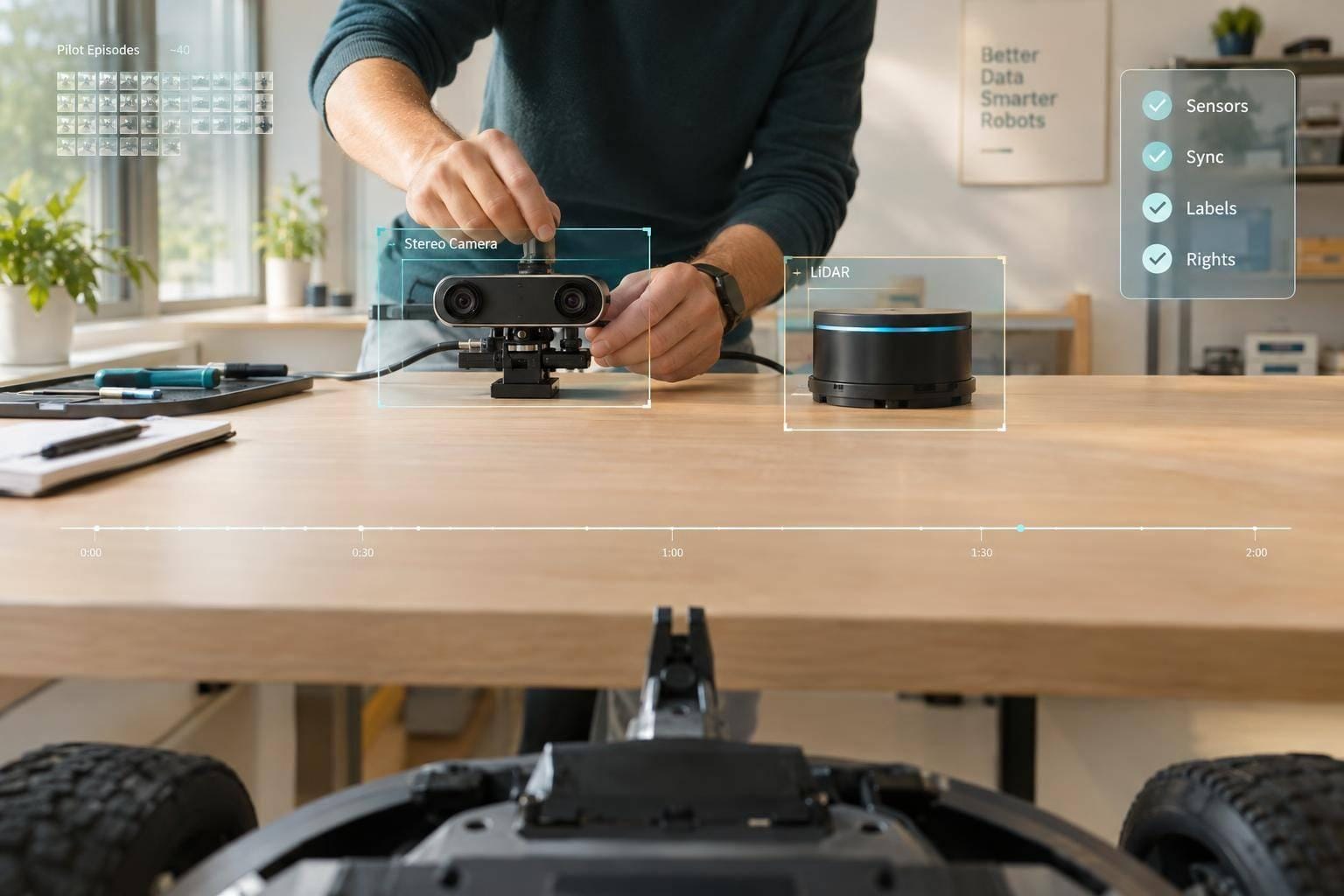
Choose egocentric data by training goal, not hours—pilot 30–50 episodes and verify sensors, sync, labels, and commercial rights.
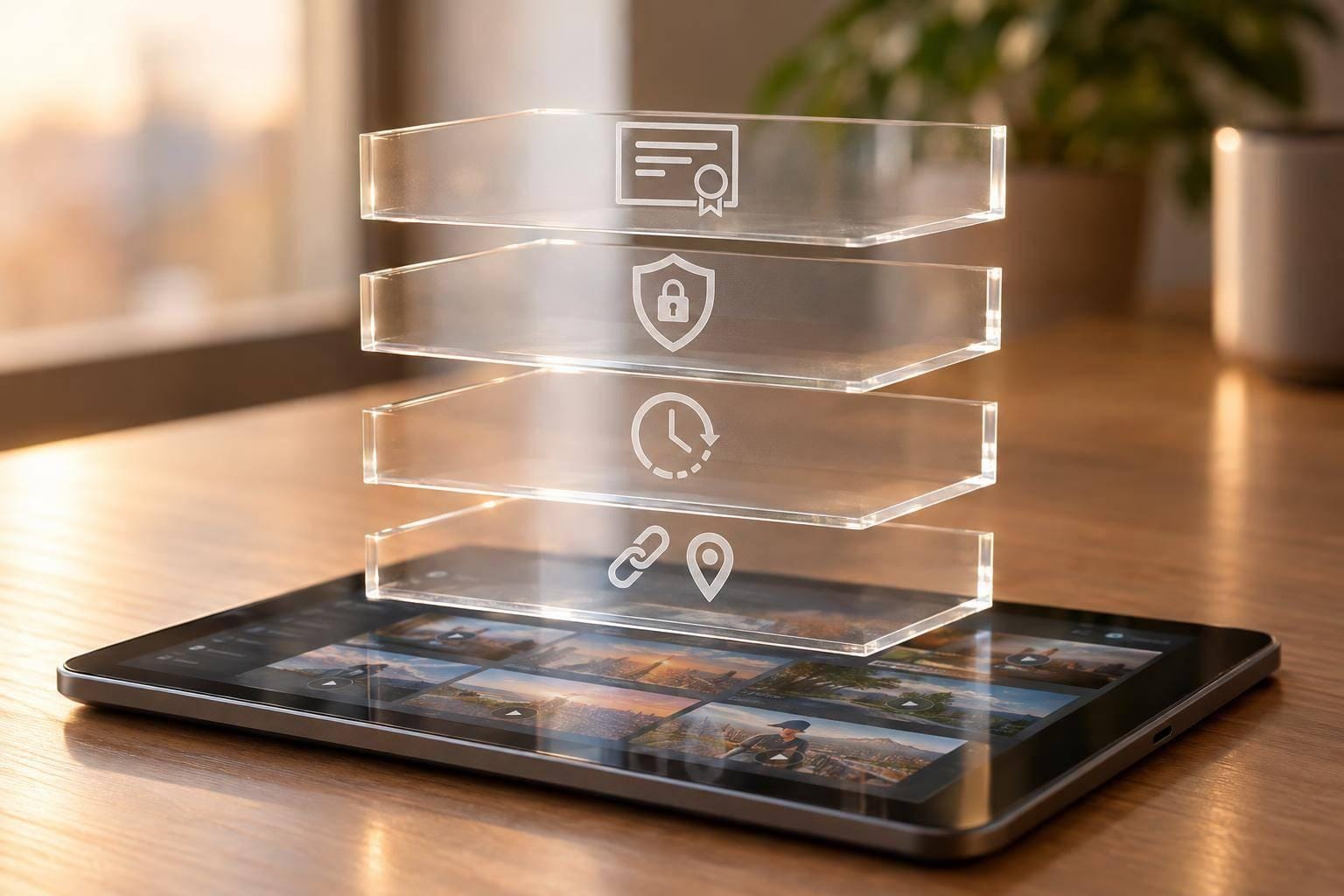
Verify file-level licenses, privacy records, processing logs, and provenance for rights-cleared and scraped video before training.

Build, buy, or combine robot data collection by weighing control, speed, rights, and total cost per accepted demonstration.
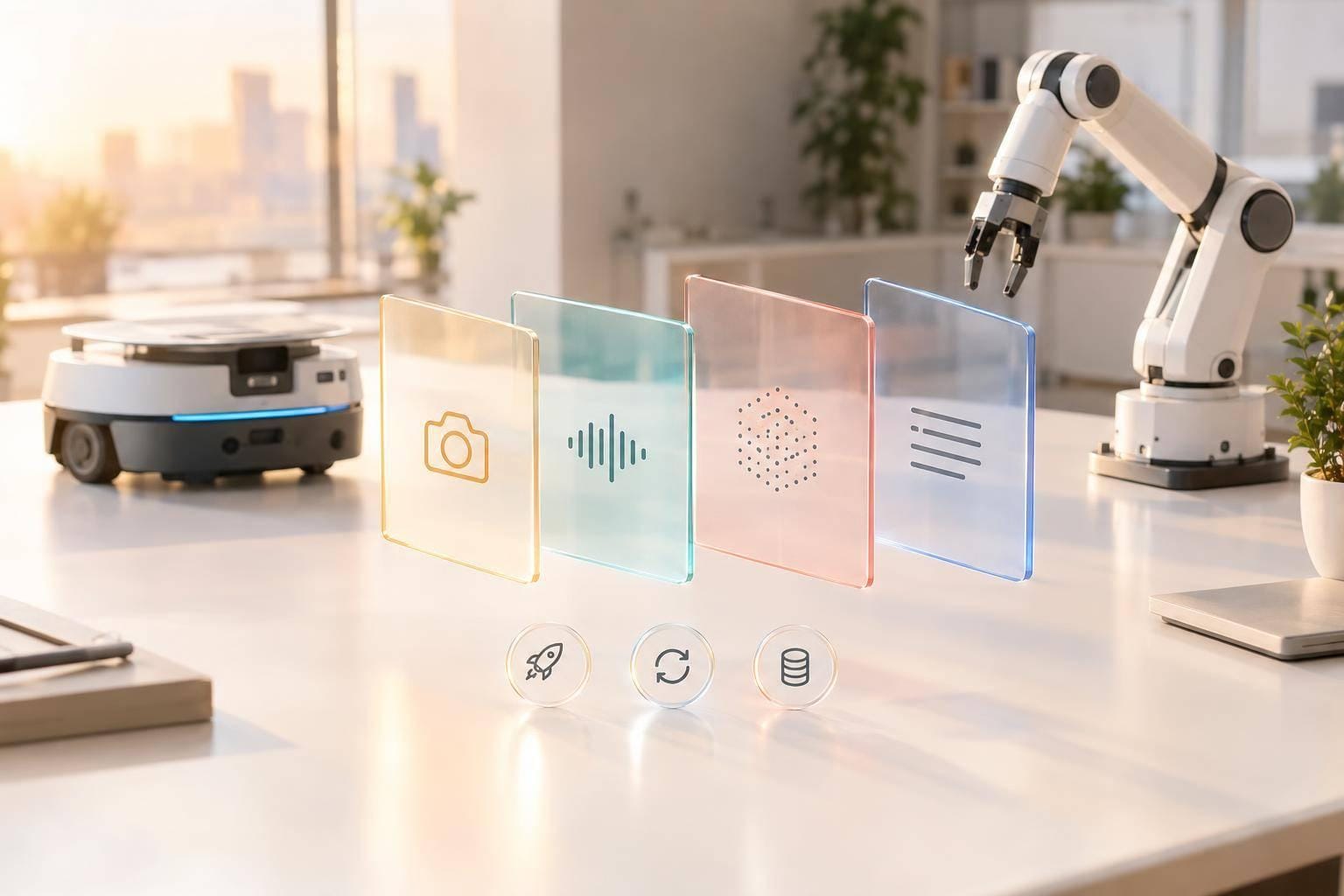
Compare four Scale AI alternatives for multimodal and robotics data, plus pilot, sync, and cost guidance.
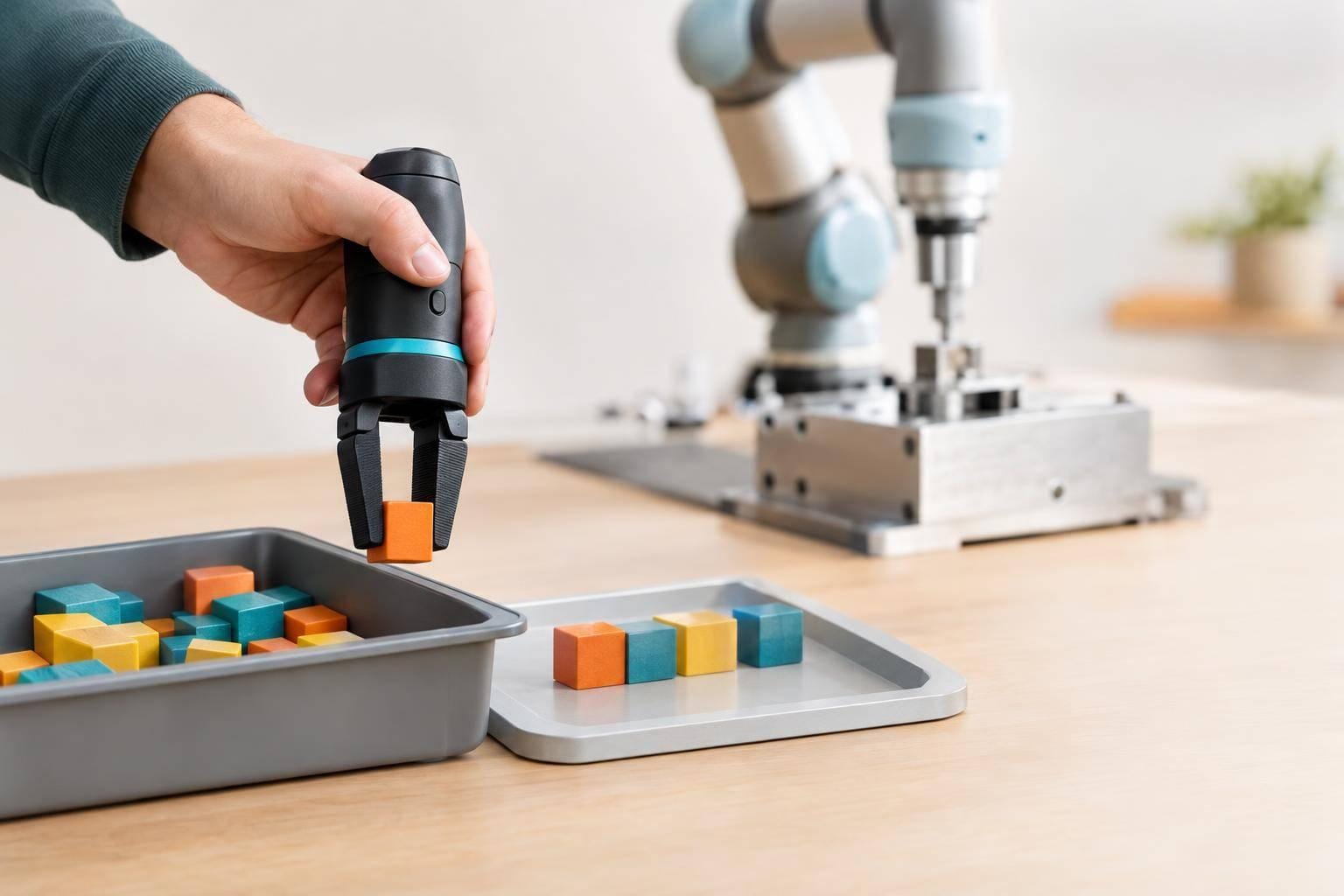
UMI can cheaply capture varied pick-and-place demos, but robot episodes are needed when force, timing, or tight clearances matter.
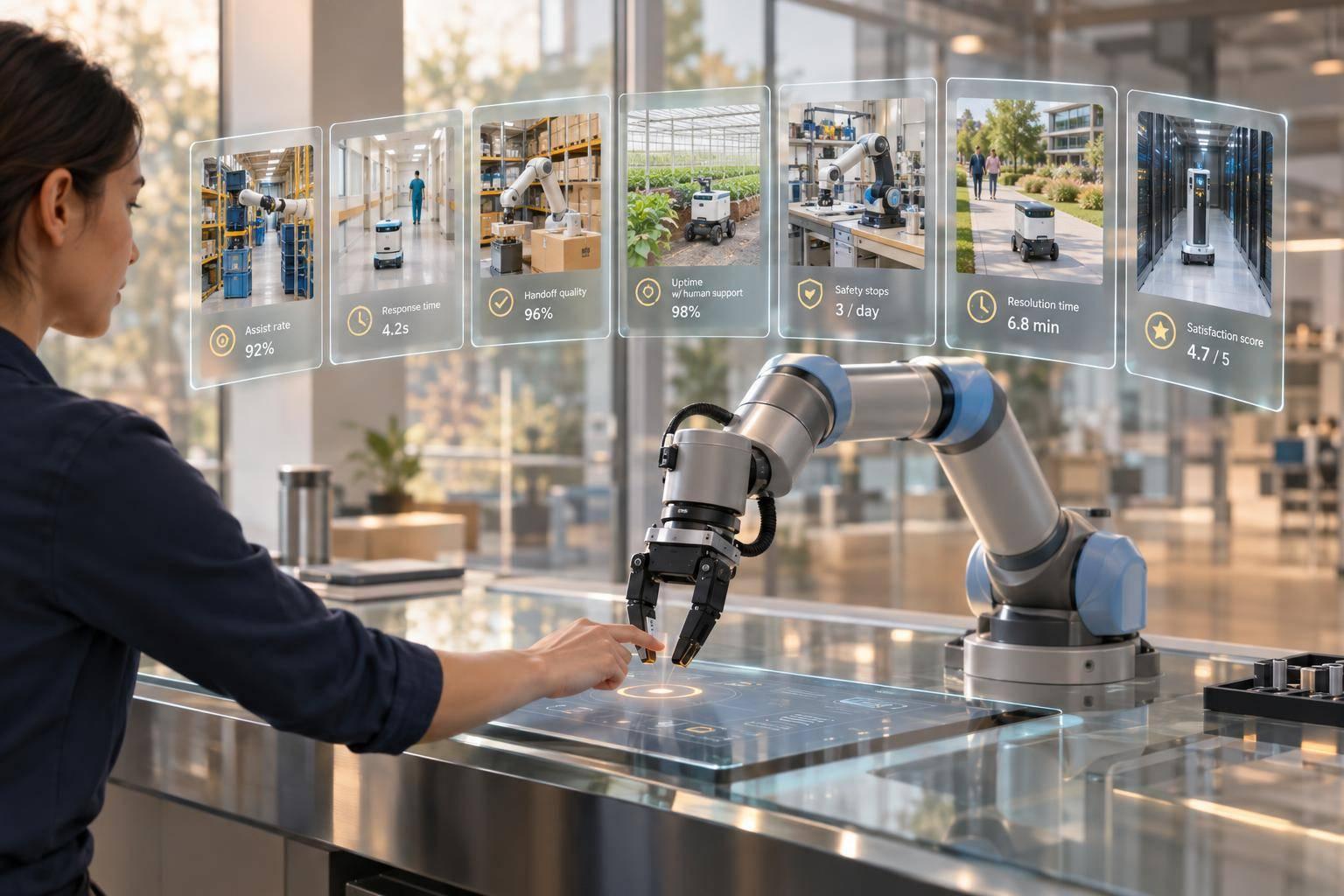
Comparing seven 2026 human-in-the-loop robot programs: tasks, where they're used, and the human support metrics buyers must demand.
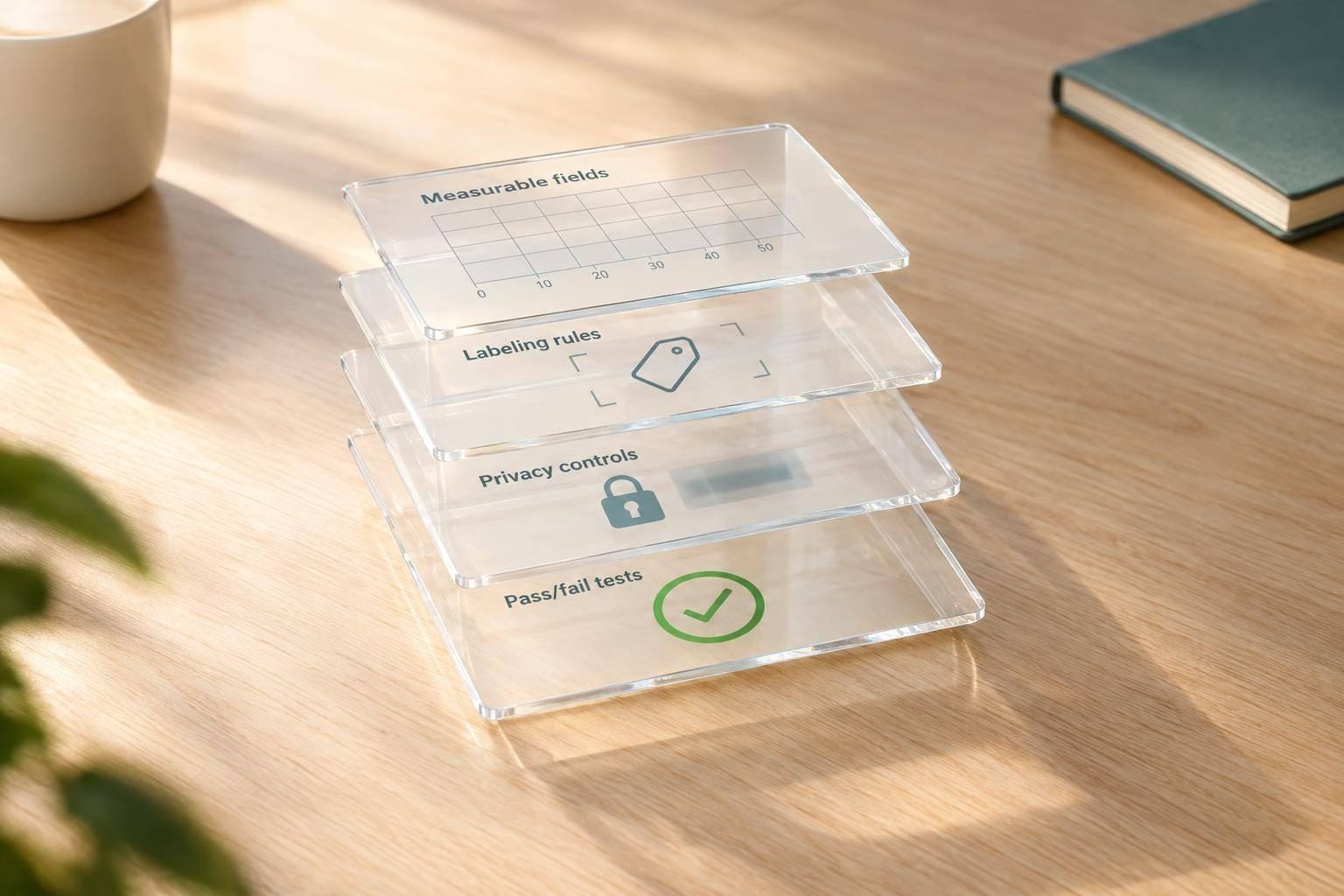
A dataset spec defines measurable fields, labeling rules, privacy controls, and pass/fail tests to ensure usable Physical AI data.
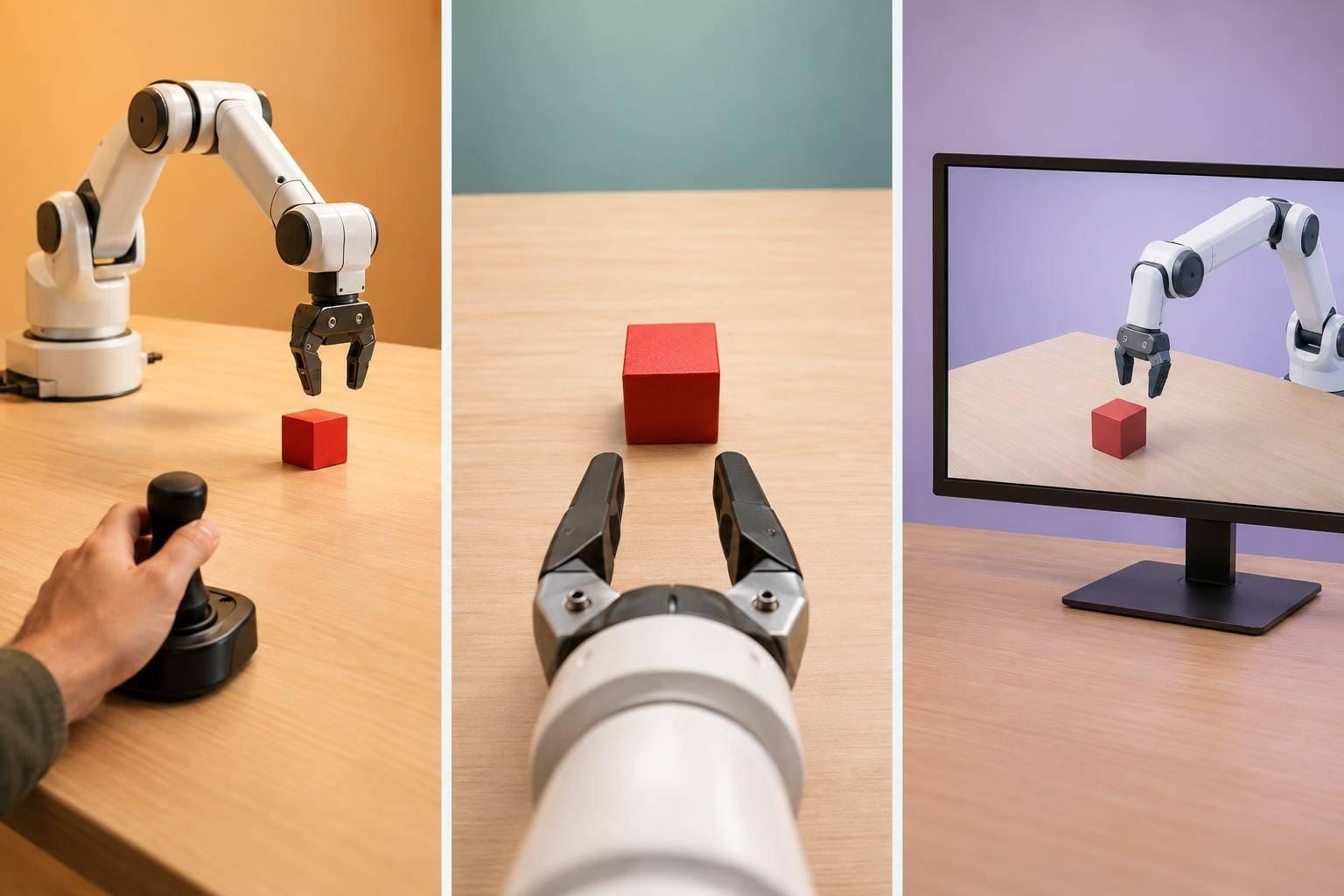
Compare teleoperation, egocentric, and synthetic robot data. Pick sources by needed signals, pilot 30-50 episodes, and measure transfer.
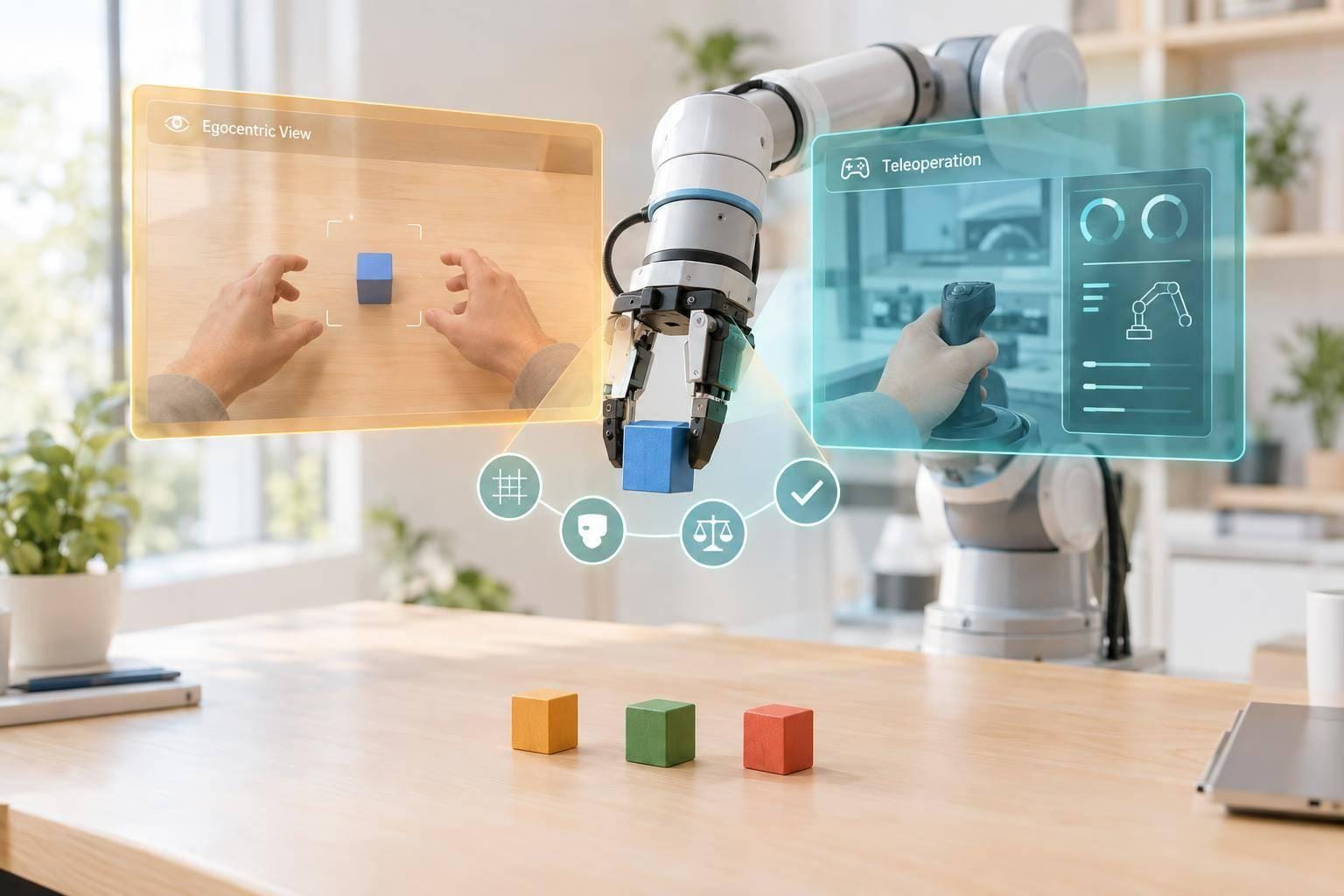
Practical checklist for mixing egocentric human video with teleoperation data to train VLA models—align, mask, balance, and validate with robot trials.
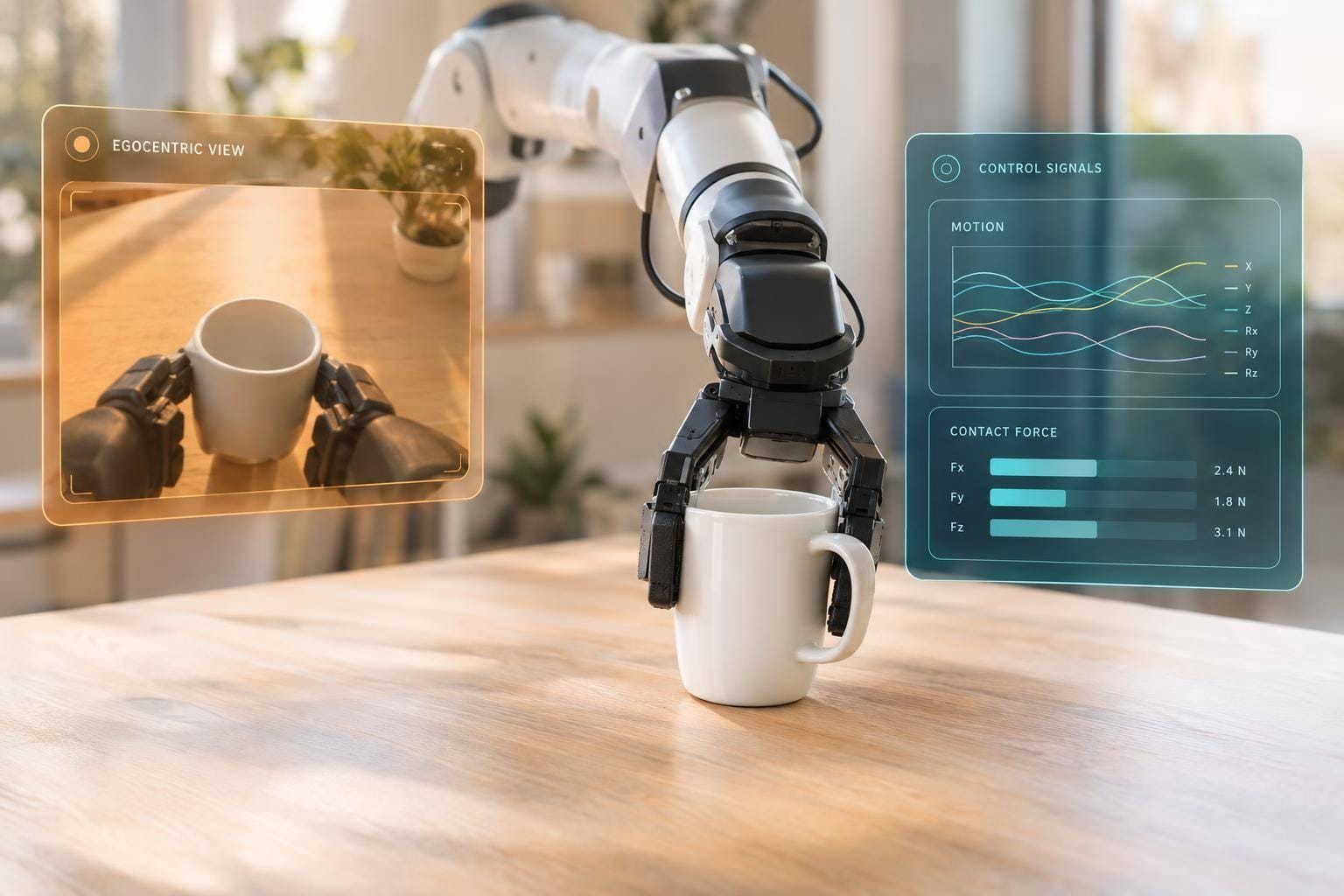
Egocentric video for workflow and visual pretraining; teleoperation logs for robot control, contact sensing, and recovery—pilot 30–50 episodes before scaling.
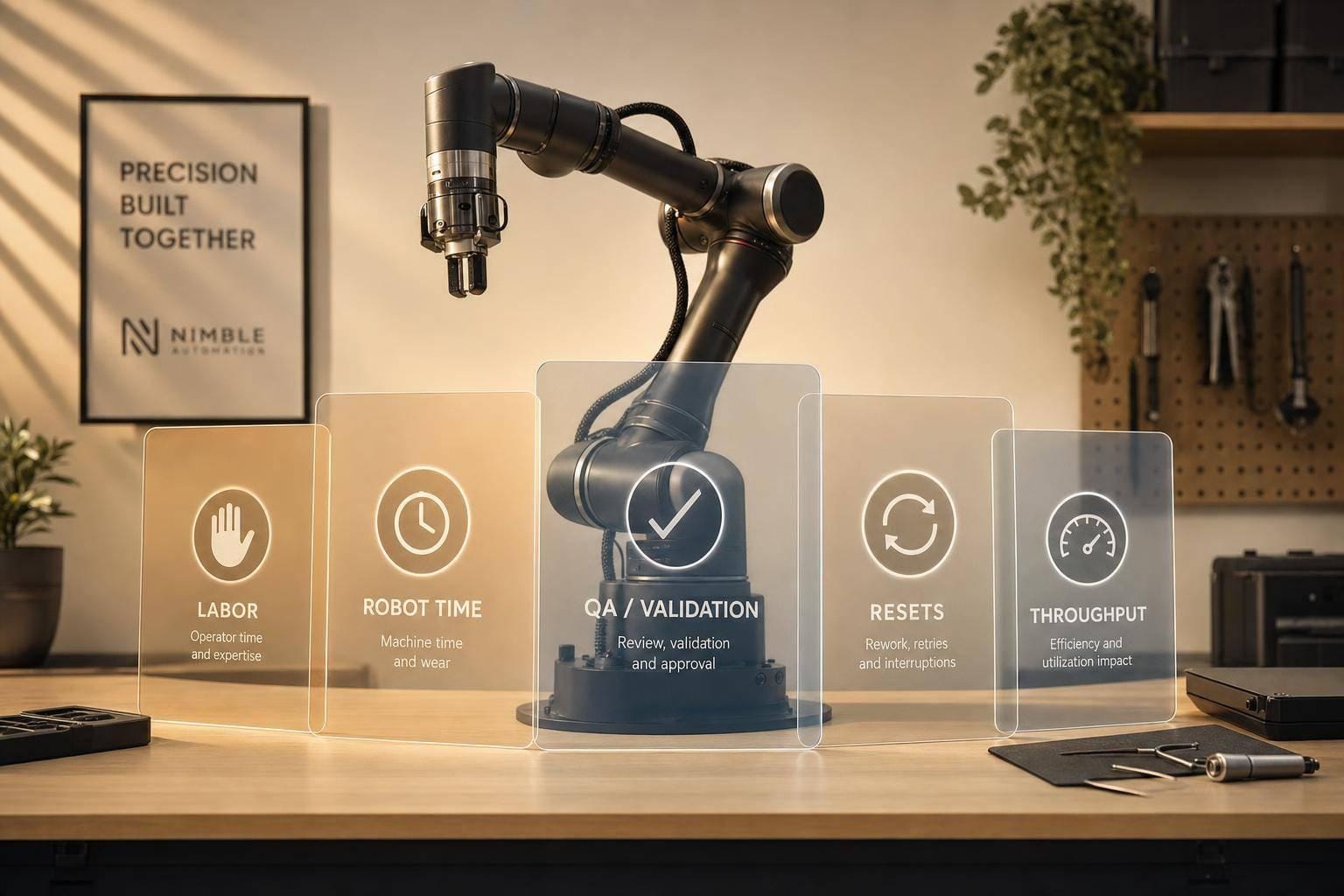
How to calculate fully loaded cost per accepted teleoperation demo, including labor, robot time, QA, resets, and throughput.
Most teleoperation logs can't train models: bad timing, missing robot state, and weak labels — use gating and routing to fix.
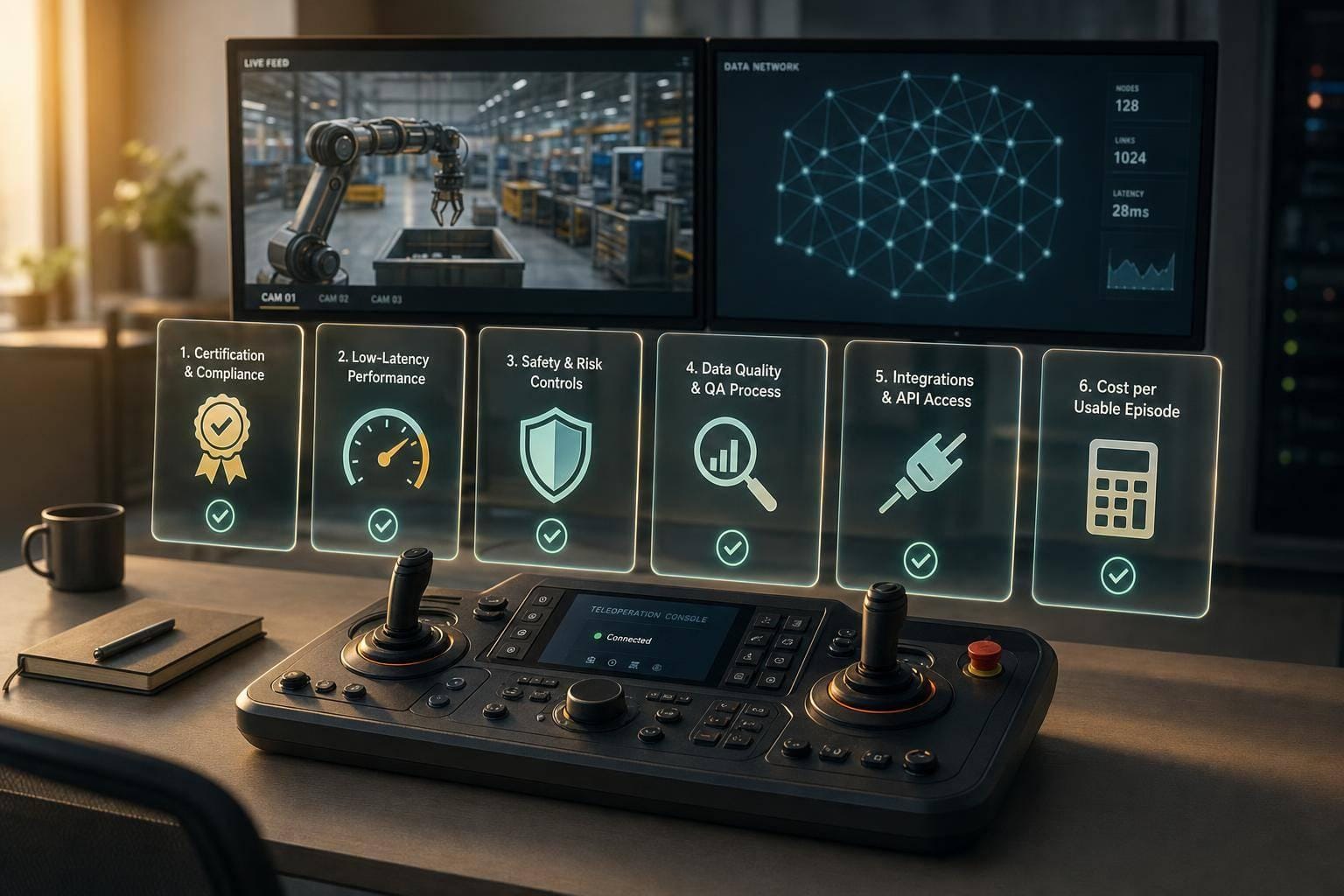
Checklist for choosing teleoperation vendors: operator certification, latency and safety testing, data QA, integrations, and cost per usable episode.
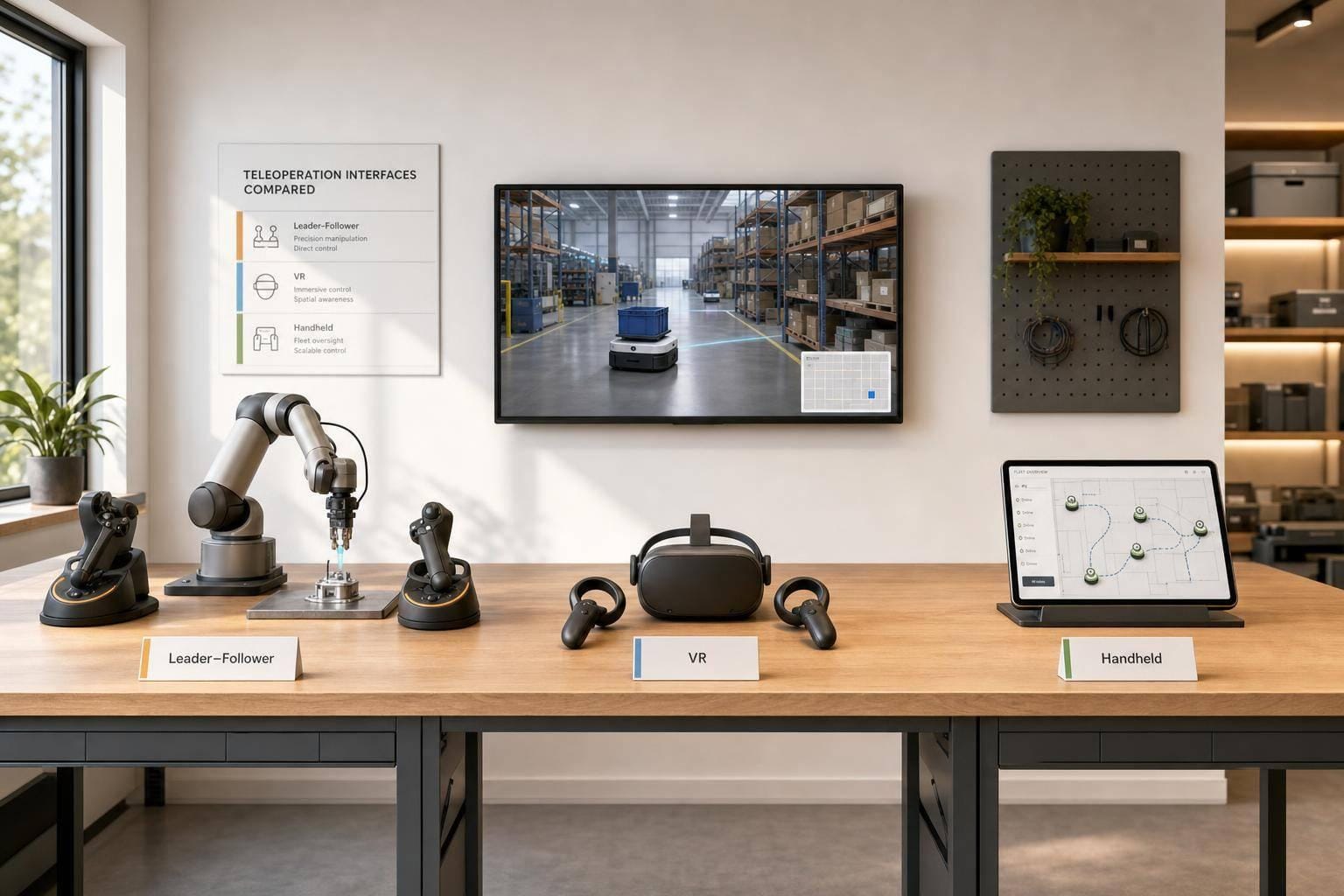
Match teleoperation interface to the job: leader-follower for contact precision, VR for spatial control, handheld for fleet scale.
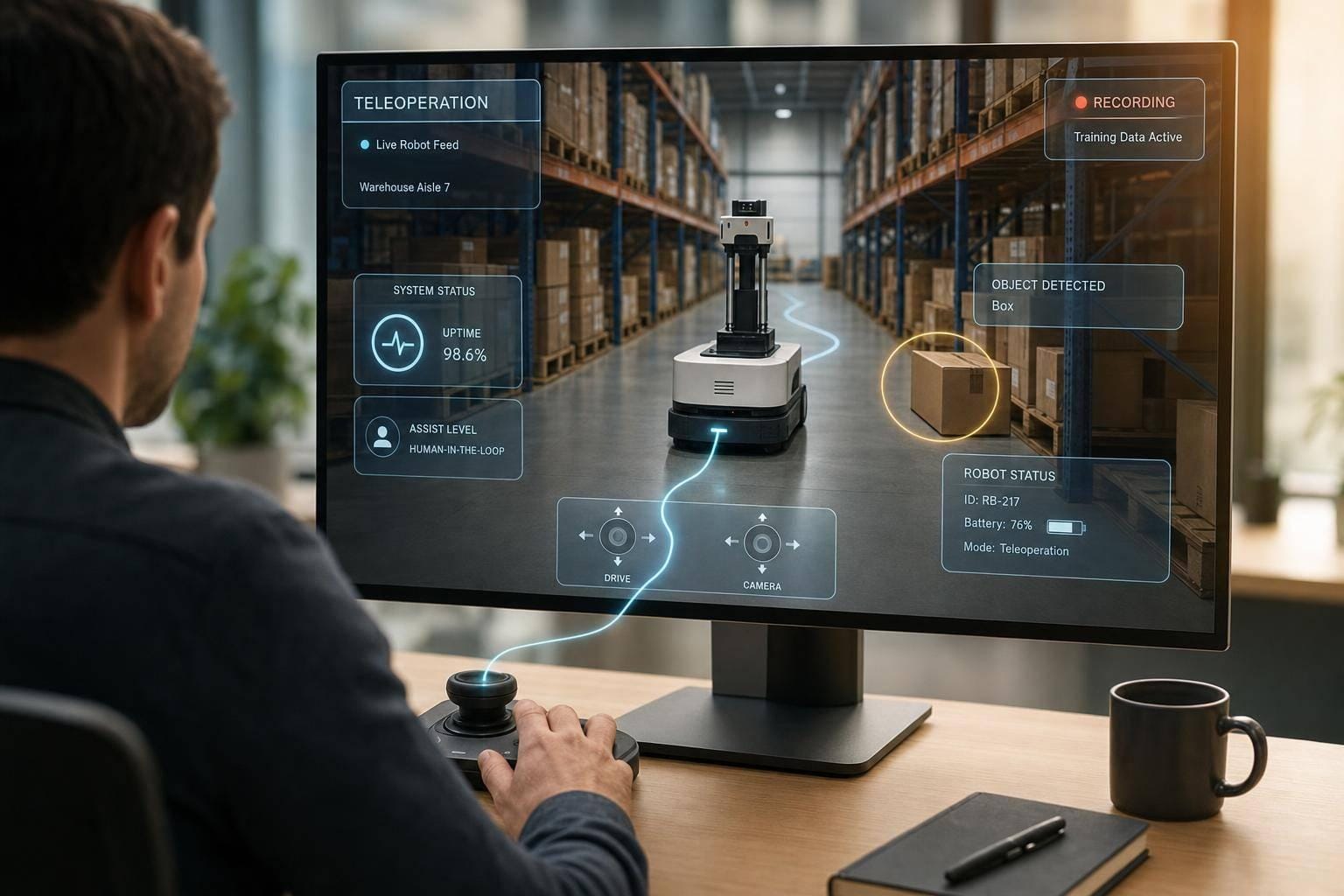
How remote operators resolve robot failures, maintain fleet uptime, and generate training data to improve autonomy.

Budget for usable labeled hours — yield, annotation, privacy and sync drive egocentric data costs across industrial setups.
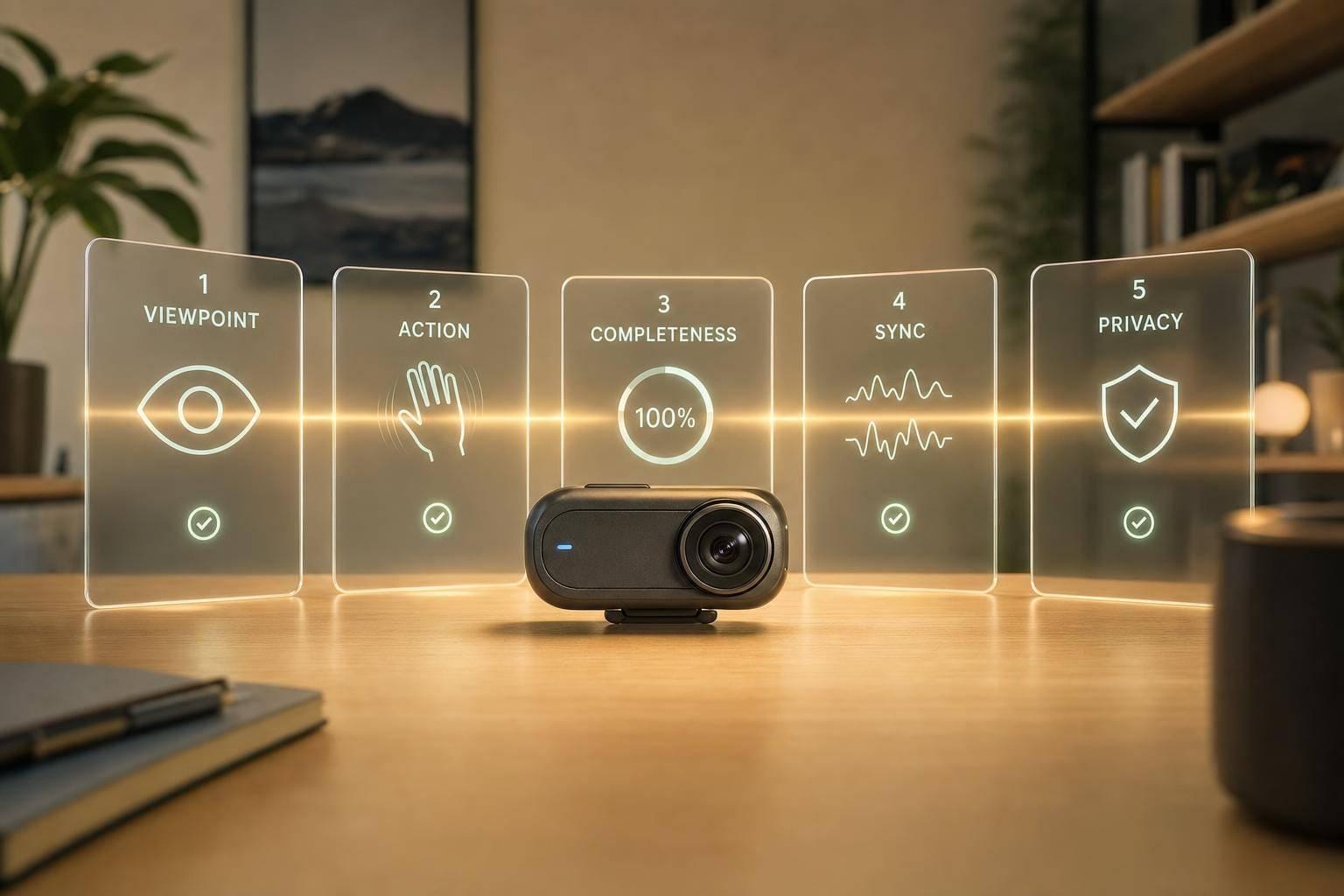
Five pass/fail gates determine if an egocentric clip is trainable: viewpoint, action, completeness, sync, and privacy.
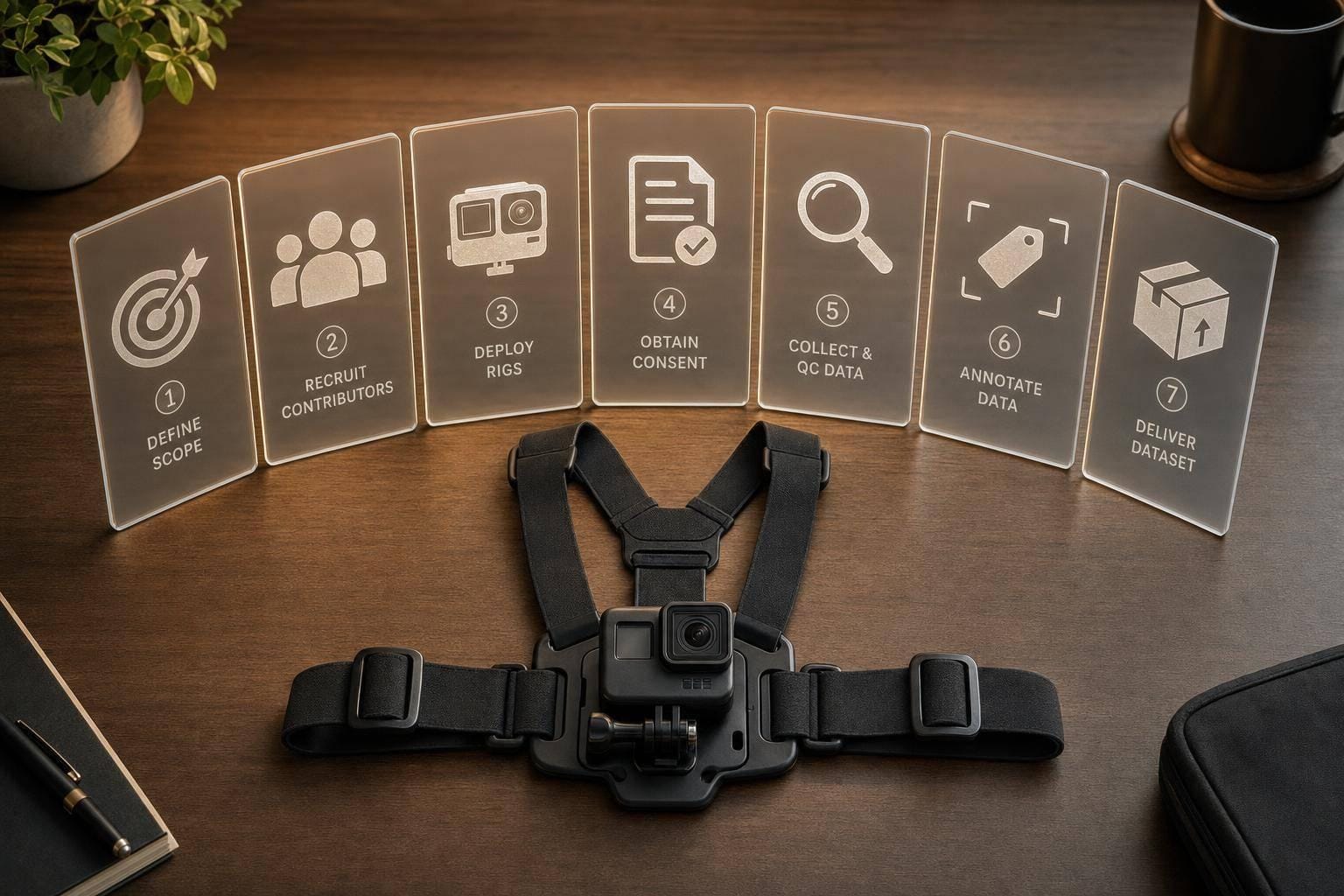
Practical system for scalable first-person video datasets: scope, contributors, rigs, consent, QC, annotation, and delivery.
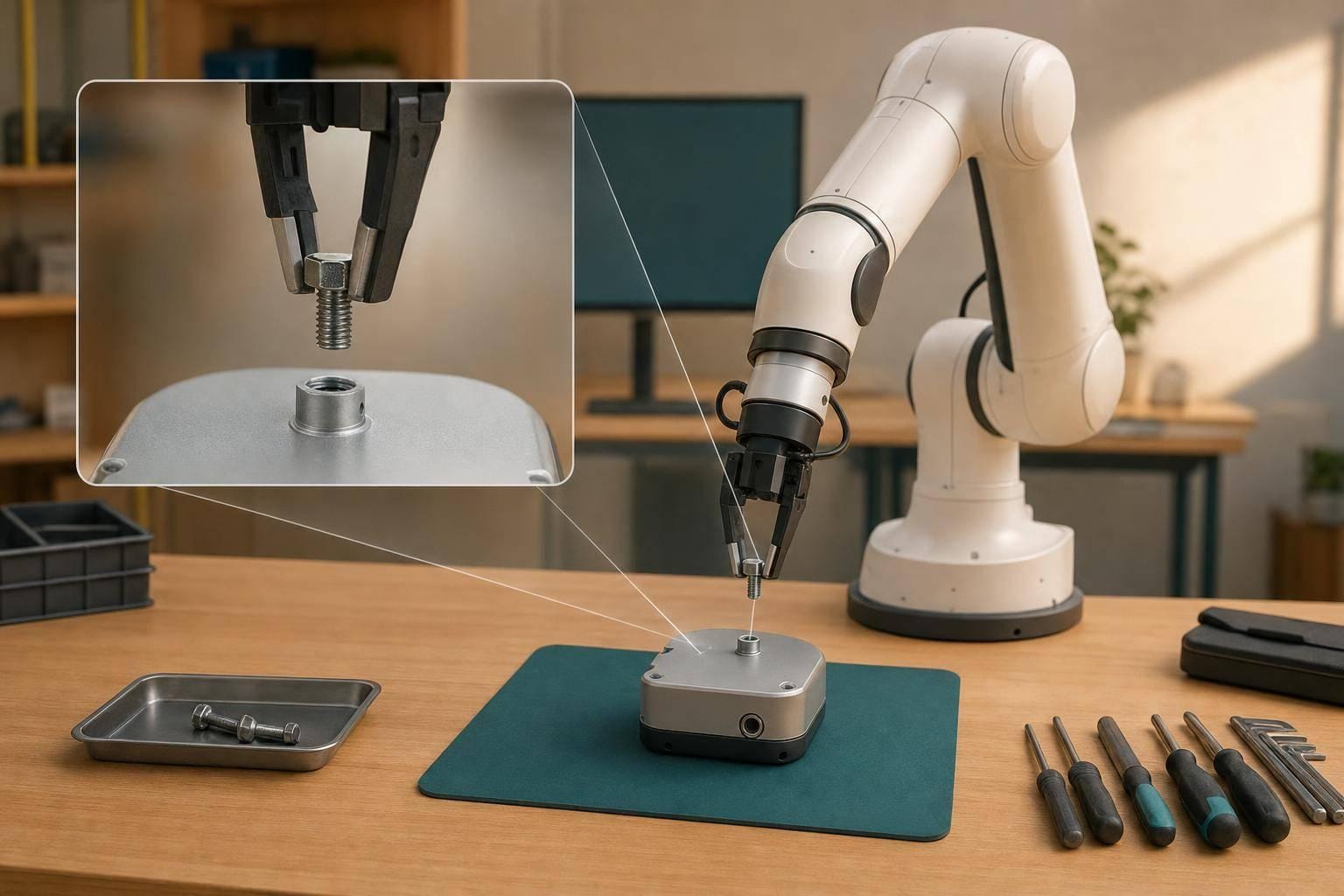
When to use egocentric vs third-person video for robot training: precision manipulation, scene context, tradeoffs, and time-syncing.